pagcor Probability in Casino Games
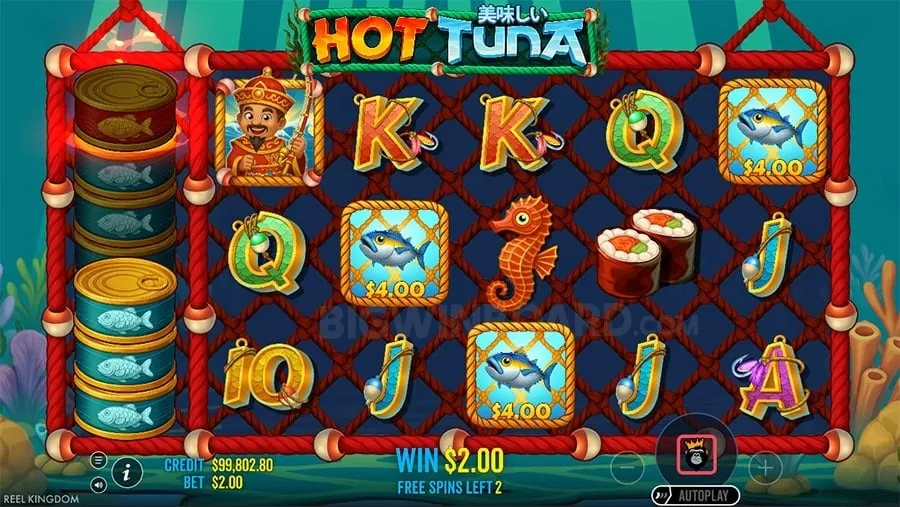
PAGCOR Probability in Casino Games: Mastering Your Odds for Smarter Play
Understanding probability is paramount for anyone venturing into the world of online casino games. With the Philippines' vibrant gaming scene, regulated by PAGCOR, players have access to a wide array of options, from classic slots to live dealer experiences. However, many common mistakes stem from a lack of grasp on how probabilities truly work. This article aims to demystify the concept of probability in casino games, providing essential tips and strategies to help you avoid pitfalls and make more informed decisions. Whether you're a seasoned player or new to the scene, learning to interpret and apply these principles can significantly enhance your gaming experience and potentially improve your outcomes. Get ready to transform your approach to casino gaming with a solid understanding of the numbers behind the fun.
Table of Contents
- What is Probability in Casino Gaming?
- Common Probability Mistakes to Avoid
- Understanding Probability in Popular Casino Games
- House Edge and RTP: Your Key Indicators
- Practical Tips for Applying Probability
- Choosing the Right Game: A Probability Perspective
What is Probability in Casino Gaming?
Probability, in the context of casino gaming, refers to the mathematical likelihood of a specific event occurring. It's expressed as a number between 0 and 1 (or 0% and 100%), where 0 means the event is impossible, and 1 means it's certain. For instance, the probability of rolling a specific number on a fair six-sided die is 1/6. In casino games, understanding these probabilities is crucial because it directly impacts your chances of winning and the long-term profitability of the game for both the player and the casino. While luck plays a role in individual outcomes, probability dictates the overall trends and expected returns. Regulated platforms, such as those overseen by PAGCOR in the Philippines, ensure that these probabilities are fair and transparent, adhering to strict gaming standards. Grasping this fundamental concept is the first step towards becoming a more strategic player.
Common Probability Mistakes to Avoid
Many players, even experienced ones, fall prey to common misconceptions about probability. Avoiding these pitfalls can save you from costly errors and frustration. Here are some of the most frequent mistakes:
- The Gambler's Fallacy: This is the belief that past outcomes influence future independent events. For example, if a coin lands on heads five times in a row, many believe it's